2025 Annual Exhibition, The Campus
341 NY-217, Claverack, NY
June 28 — October 26, 2025
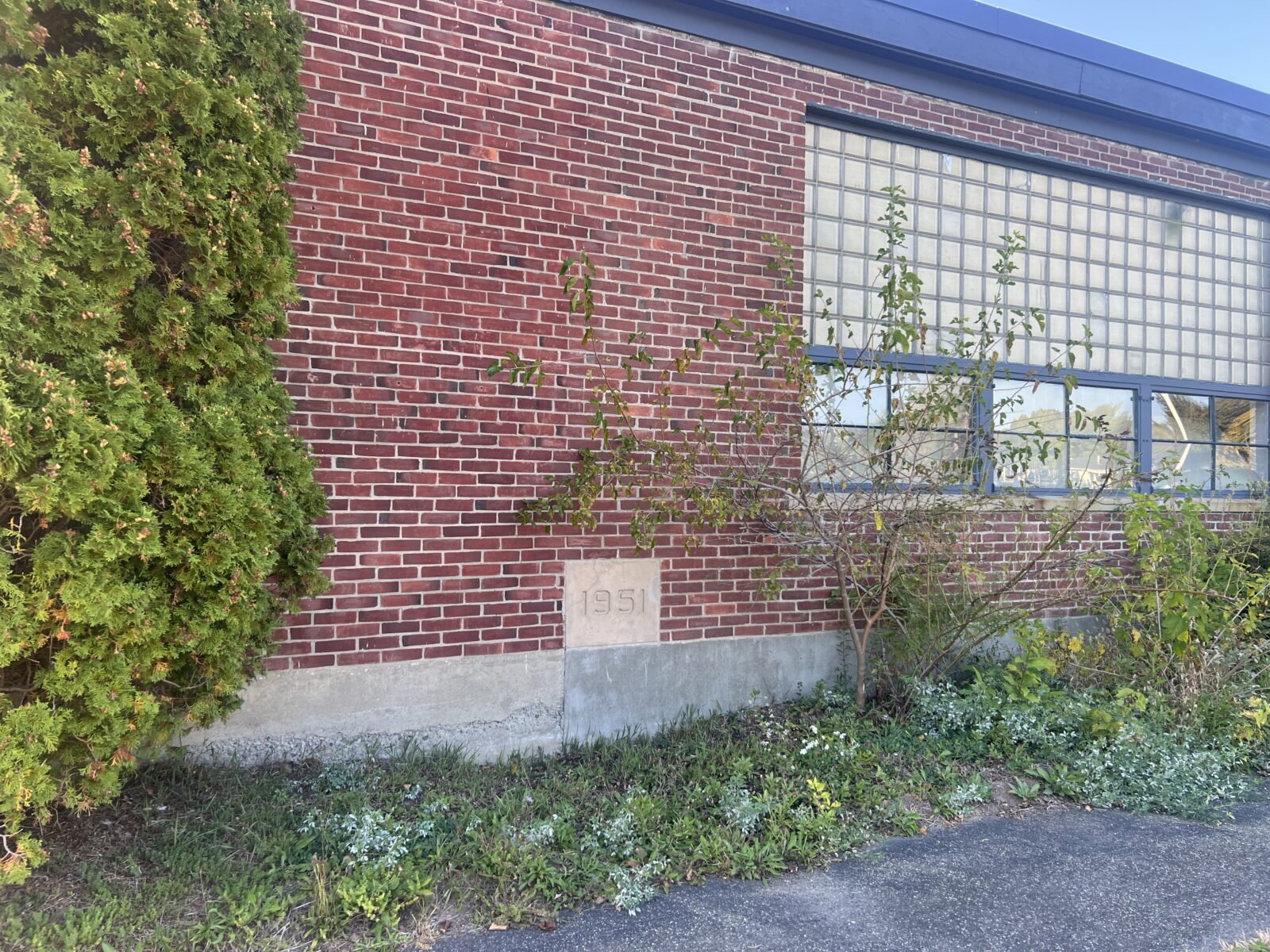
A soft light washes along the old school corridor. The air feels slightly cool, carrying the faint scent of tile and paint. It is a quiet that draws the visitor inward before any artwork comes into view. The Campus, housed in a former secondary school built in 1951, now functions as a renovated contemporary art space—a collaboration among six leading New York galleries: Bortolami, James Cohan, Kaufmann Repetto, Anton Kern, Andrew Kreps, and Kurimanzutto. Chalkboards on the walls, along with lockers and the occasional exit sign, catch my attention in passing, returning me to the routines of high school, learning, curiosity, and discipline. The spatial layout still follows the rhythm of a school, with rooms once assigned to specific subjects now occupied by dissimilar galleries and artists. The logic of compartmentalized learning has been reanimated as one of curatorial division, where each classroom stages its own art lesson. Weekend visitors wander these corridors like students between high school class periods, their footsteps tracing the institutional memory of the building.
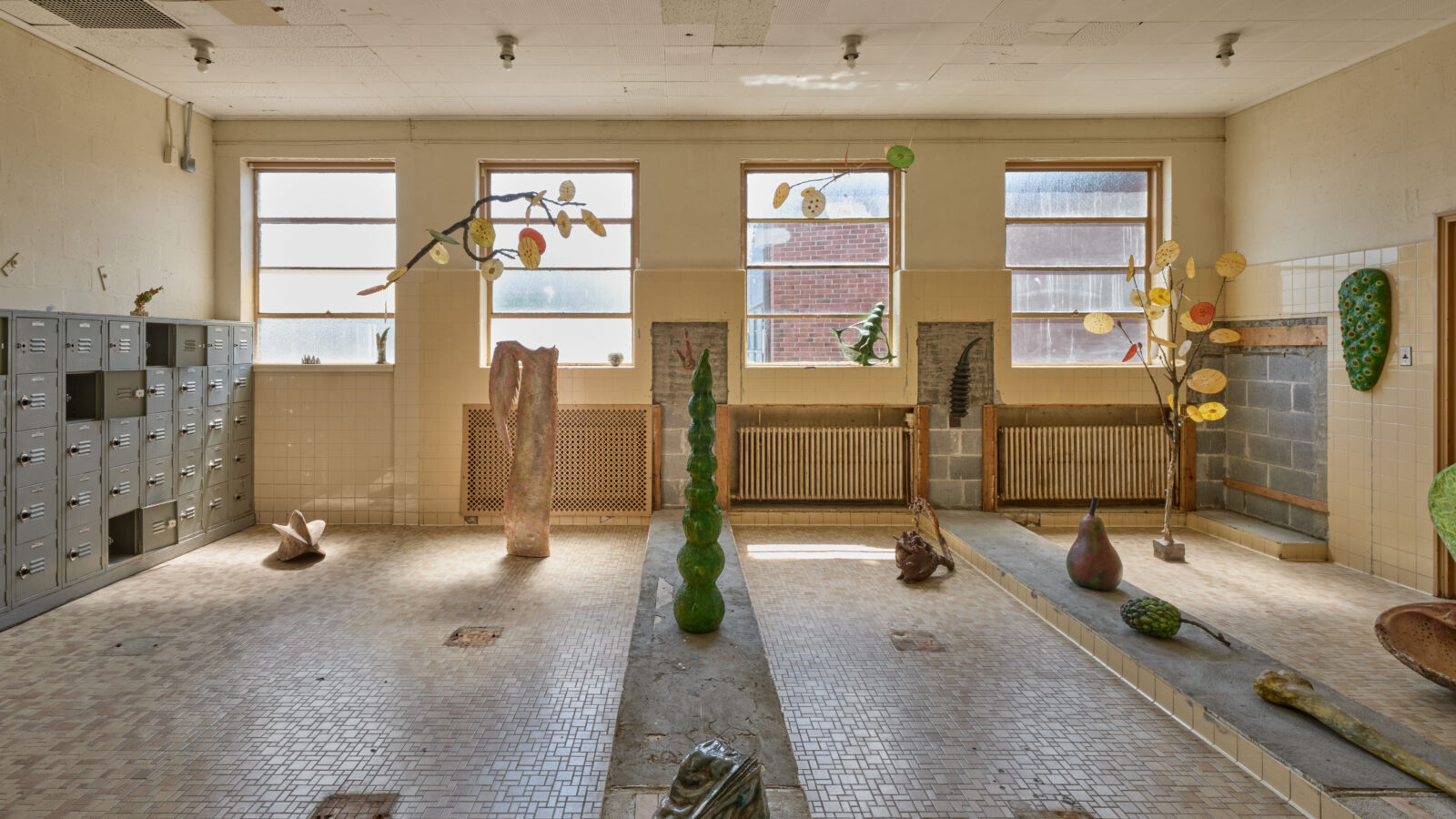
Crossing the gymnasium, I turn into a small adjoining room. A hinged metal panel stands before a wall of cement blocks, the white paint unable to conceal the roughness beneath its surface. Underfoot, a mosaic of uneven beige tiles recalls a restroom more than a gallery. To the left, a hand sink, a drinking fountain, and a black paper towel dispenser line a wall barely two feet wide, beside a urinal and a closed toilet stall. Across from them, a stripped locker room area unfolds. Inhabiting this space are sculptures by the late artist Ming Fay (1943—2025), rendered in sap green, Naples yellow, cadmium red, rose madder, and light ochre—ambiguous forms resembling branches, seeds, roots, fruits, or organisms that appear to have sprouted from the ruins of the decrepit room itself. The sculptures are simultaneously lit by the cool artificial glare of fluorescent bulbs on the ceiling and the warm natural sunlight filtering through panes of glass, veiled in differing opacities. The pale-yellow room feels quietly comforting on a Sunday afternoon, even as its tiled walls radiate a lingering chill. The timeworn yet reanimated architecture invites, and then unsettles, the museum-goer’s eye.
For decades, Ming Fay drew inspiration from nature—fruits, nuts, and later seashells, bones, and shark teeth—using traditional sculptural techniques to enlarge minute organic objects into grandiose forms. He layered skins of papier-mâché made from newspapers over internal frameworks of wire and metal mesh, creating structures that evoke both bodily flesh and vegetal growth. After moving to New York City in February 1973, Fay found himself surrounded by a wide array of burgeoning postmodern art movements: Pop Art, Minimalism, Conceptual Art, Hyperrealism, and Process Art. Ming Fay’s sculpture, however, was neither a continuation of the minimalist “primary structure” nor a pursuit of hyperreal verisimilitude.1 Fay insisted that his Fruit series was not super-realistic, but rather surreal, and thus positioned himself in relation to the visual poetics of the Belgian surrealist René Magritte, whom he admired most.2 This surrealist impulse teleports our encounter with Fay’s work between the ease of daily familiarity and a strangeness that resists naming. Shifting from objects of nature into forms that appear at once living and uncanny, Fay’s sculptures seem to live and breathe within the tiled surfaces of the transformed locker room, their organic forms both foreign to and at home within this institutional setting.
Ming Fay’s work has often been discussed through an East/West interpretive lens in its critical reception, one that foregrounds Fay’s experience as an immigrant artist in the United States and reads his organic forms as expressions of diasporic identity. Writing on Fay’s early practice, Eugenie Tsai notes that his sculptures “draw inspiration from the wide range of fruits and vegetables available in the Chinatown markets in close proximity to his studio on Canal Street,” a detail that has frequently been cited as evidence of cultural rootedness.3 Fay himself also expressed interest in the symbolic meanings of certain fruits within Chinese culture, such as peaches, which signify longevity and good fortune.
When approached spatially, Fay’s sculptures move beyond readings of cultural identity alone, working dialogically with their environments to open architectural settings and shape how viewers move through and experience space. Across his career, Ming Fay consistently worked through close attentiveness to the specific spatial conditions of his sites. In Canutopia (2012) at the Grounds for Sculpture, for example, Fay worked within a space whose ceiling network of water pipes, air vents, and uneven walls complicated the installation’s organic geometry. In the locker room at The Campus, such responsiveness allows the sculptures to merge even more intimately with the space’s residual architecture outside the paradigms of the proverbial white cube. The sculptures’ enlarged, fleshy surfaces exude an uncanny vitality within the somewhat sterile tiled confines, where galvanized pipes and exposed wiring reveal the building’s utilitarian anatomy in all directions.
Situating Fay’s work within the spatial context of The Campus reveals the limits of reading cultural difference as a consumable marker of identity. In this installation, cultural identity is abstracted into the conditions of bodily presence, vulnerability, and endurance, moving beyond the register of nationality. What emerges is a feeling of weariness with the binary that once defined diasporic aesthetics, as cultural difference no longer serves as the primary lens through which the work’s vitality becomes legible—a recognition that, within ruin, persistence becomes a form of survival.
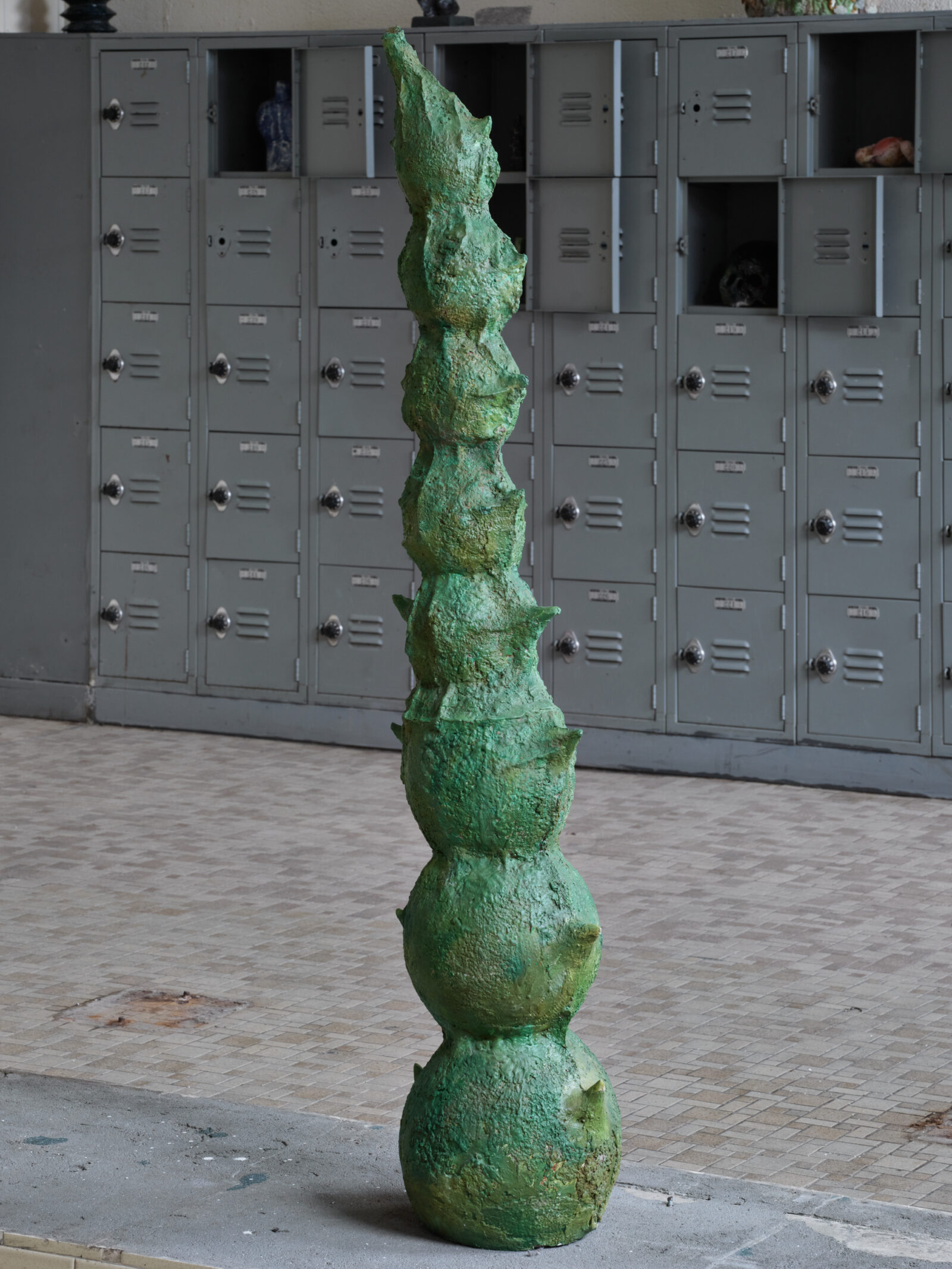
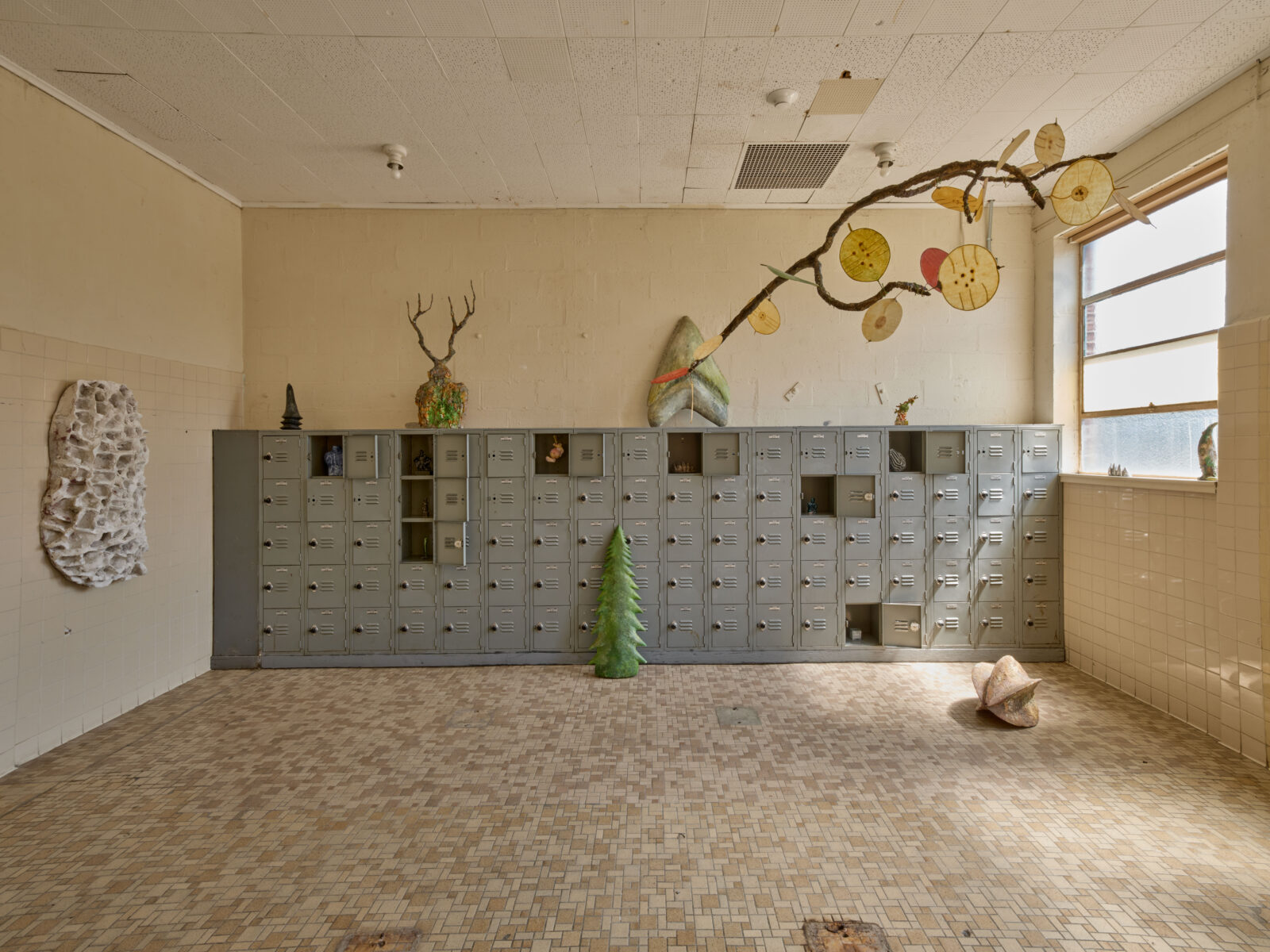
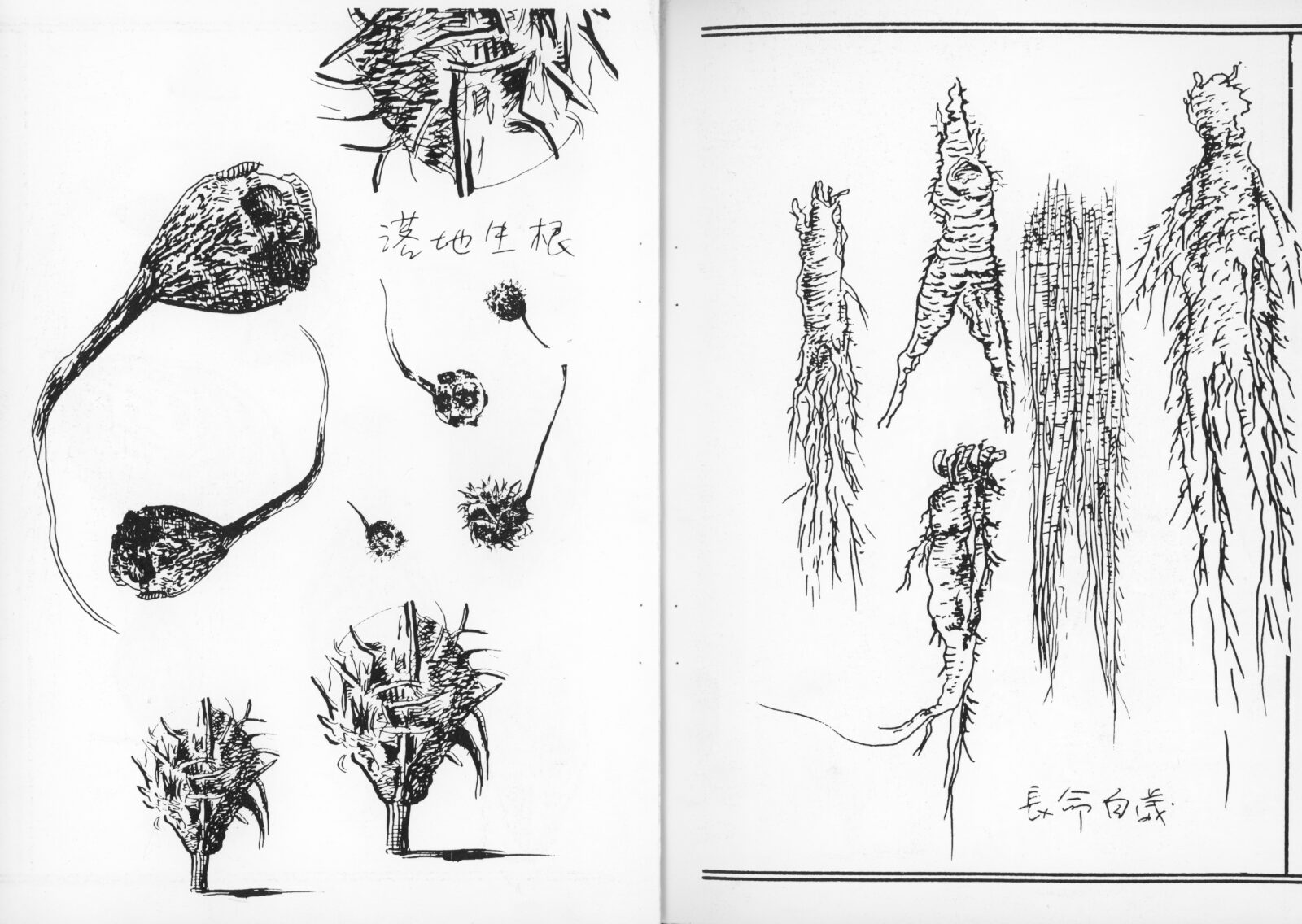
Through curatorial decisions made by Timo Kappeller in collaboration with Parker Tao Fay, Ming Fay’s studio manager, the sculptures were placed throughout the former locker room in ways that activate the room’s architectural remnants.4 A wall of gray metal lockers has been repurposed as a series of display cases, each fitted with a small light that frames the handmade objects like specimens or relics. What once stored sweaty clothes and worn shoes now shelters Fay’s glazed ceramic figures, seeds, and Jungle Doodads, turning the apparatus of profane storage into one of sacred preservation and memory.5 Two rectangular cement remnants marking the site of the room’s former benches sit at the center of the space, now functioning as pedestals whose rough surfaces echo the textures of Fay’s painted forms. On one of them rest the enlarged sculptures Pear (2021), Lychee (c. 2000s), and an untitled bone-shaped work (1992). On the other rises Untitled (Prickus Group), a hybrid green form whose clustered spiky bulbs diminish in size as they reach to the ceiling, like new leaves unfurling to forcibly bring the room’s architecture back to life. This motif of growth through taking root recurs in Fay’s sketchbook drawings, where organic forms begin by anchoring themselves to the ground before unfurling upward. Beside it, on a lighter patch of concrete inset with worn wooden boards, rests the oversized ceramic nut, its surface catching the light as if softly glowing.
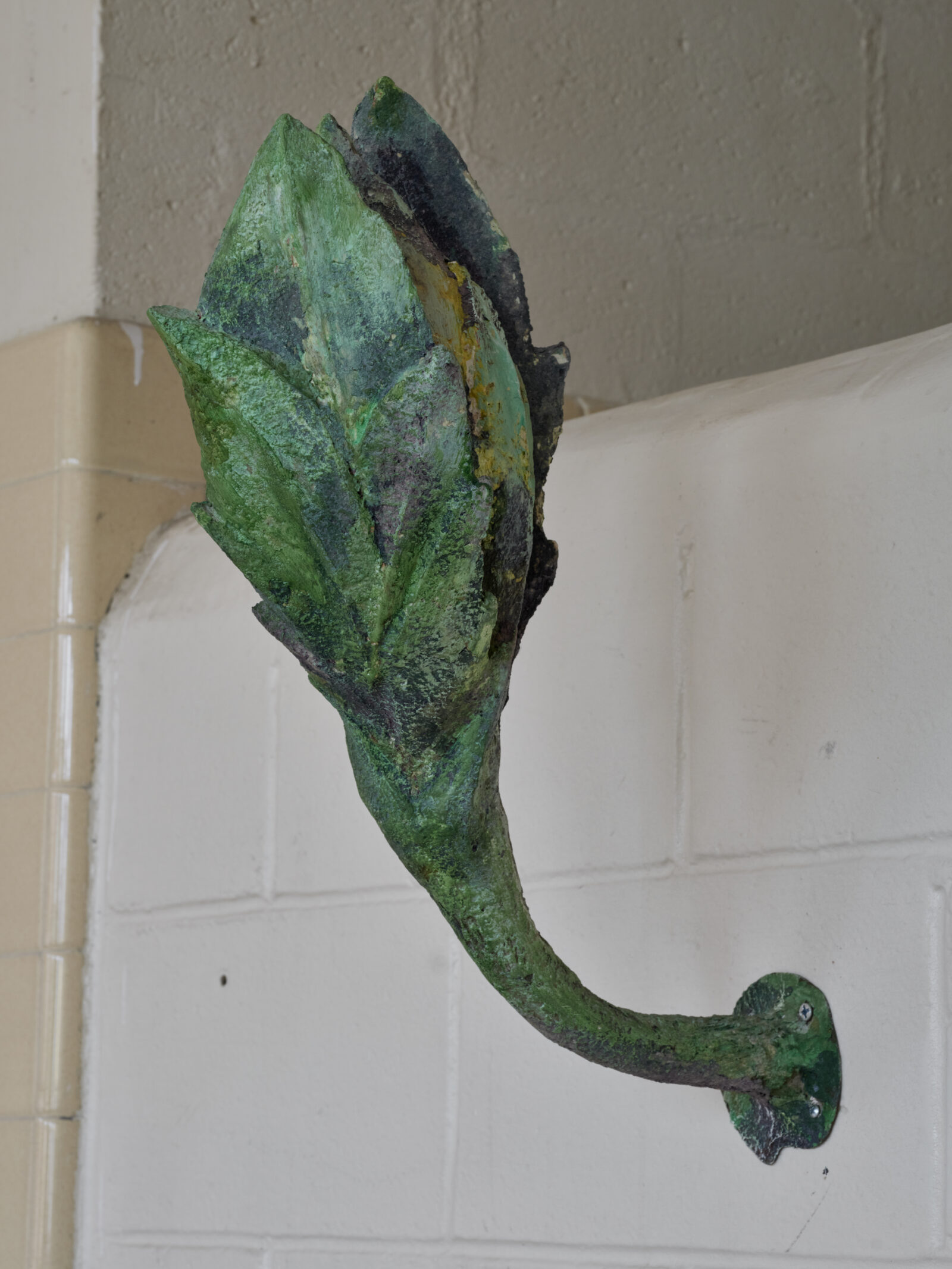
Along the two adjacent walls, sprout-like forms Young Sprout (1996) and Untitled (Wall Sprout) (c. 1990s) protrude. Their upward tilt evokes an almost imperceptible sense of growth. They recall a photosynthetic impulse, as if drawn upward by illumination. At the same time, their bases remain fastened to the wall by screws that bind them to the room’s architecture. Caught between an upward pull toward growth and the constraining force of attachment, the works register a palpable tension, one that makes vegetal life here appear both compelled and contained. The Untitled (Black Horn) (c. 1990s) was mounted on the wall beside the cast iron radiators. The two share a visual affinity: the radiators are vertically segmented into even units, while the Black Horn is horizontally divided, as if poised to function as an architectural fixture itself.
Amid plaster, exposed wiring, ceramics, paper, and paint—materials that are inert yet shaped in reference to vegetal and organic life—several real seeds coexist within the installation. I found myself wondering whether they might sprout if placed in soil for a longer period. These seeds all belong to Fay’s Money Tree series (1990s): all the seeds are pressed between translucent colored paper, with some of these forms suspended from the ceiling and others rising as branch-like structures in the room’s corner. The series draws on the Chinese folk myth of the money tree (yao qian shu, literally “shaking money tree”), long associated with prosperity and abundance, while also referencing the real plant Lunaria annua, or silver dollar plant, whose translucent seed pods resemble coins.

Situated within a former secondary school—once a site that materialized the value of education through public funding and now embedded in the lucrative economies of the art world—the Money Tree registers a shifting field of value. Here, monetary meaning is neither erased nor stable, but weighted differently across contexts. The seeds Fay embedded in these works introduce another register of value altogether, one grounded in life itself and made legible within a space of institutional afteruse. Unfolding slowly, this value depends on care and duration and resists immediate exchange. Even after the artist’s death, the seeds Ming Fay once planted remain capable of growth, holding open the possibility that new life, and new meanings, may still emerge.
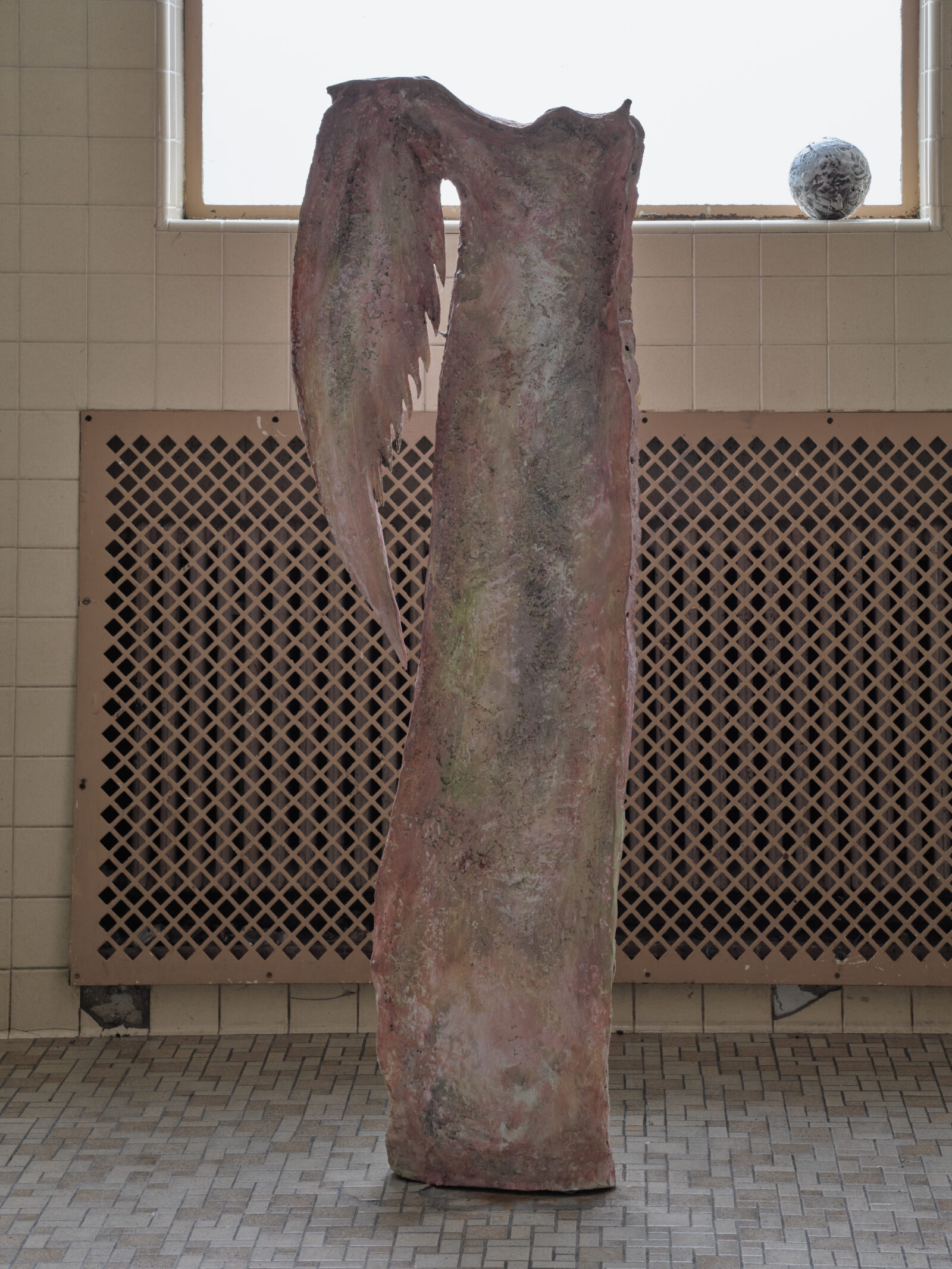
Beneath one of the money tree branches stands Angel Wing (c. 1993), flesh pink yet tinged with shifting hues, almost like human skin. The wing reads less as a limb than as a threshold, a form suspended between presence and departure. It is an image of passage, suggesting that lifting off begins where the familiar world loosens and opens outward. In the afternoon light, Angel Wing feels as if it inhabits a state of half-departure, holding the trace of Ming Fay even as it enters a life beyond him—a quiet articulation of the afterlife that artworks assume once their maker is no longer present.
Ming Fay’s organic imagination continues to shape the meanings of his work after his passing, finding new forms in the unlikely rooms that now hold his work.6 At The Campus, this afterlife becomes legible. The building’s patched walls and exposed pipes echo the liminal position Fay long occupied, neither inside nor outside the dominant vocabularies of his time. His sculptures slip into the seams of this refurbished school as if the space were remembering them. Seen this way, Fay’s posthumous presence is not memorial but mutation, a continuation of life in materials that refuse stillness. What persists is not a legacy that turns the work into a sealed object of remembrance, but motion itself: the work’s capacity to remain a lived presence whose meanings continue to unfold.
: :
Endnotes
- Primary Structures: Younger American and British Sculptors (exhibition organized by Kynaston McShine, The Jewish Museum, New York, April 27–June 12, 1966).
- Victoria Lu, “Floating Reeds: Ming Fay’s Paradise Garden,” in Floating Reeds: An Installation by Ming Fay (Hong Kong: Alisan Fine Arts, 2007).
- Eugenie Tsai, “Forces of Nature: The Art of Ming Fay,” in Ramapo Garden of Desire, exhibition catalogue (Mahwah, NJ: Ramapo College of New Jersey, 2005), 1–2.
- Ming Fay passed away in early 2025 and was therefore unable to participate in the installation of the exhibition. Conversation with Parker Tao Fay, the artist’s studio manager and son, November 13, 2025.
- Exhibition label lists the title Jungle Doodads (c. 2000s), though it does not appear in the artist’s official catalogue.
- Since Ming Fay’s passing earlier in 2025, his work has quietly resurfaced across five exhibitions along the US East Coast: Isabella Stewart Gardner Museum in Boston, The Campus in Claverack, NY, the China Institute in New York City, Alisan Fine Arts, and Kurimanzutto in New York City.
Renee Yu Jin