Held in Suspension
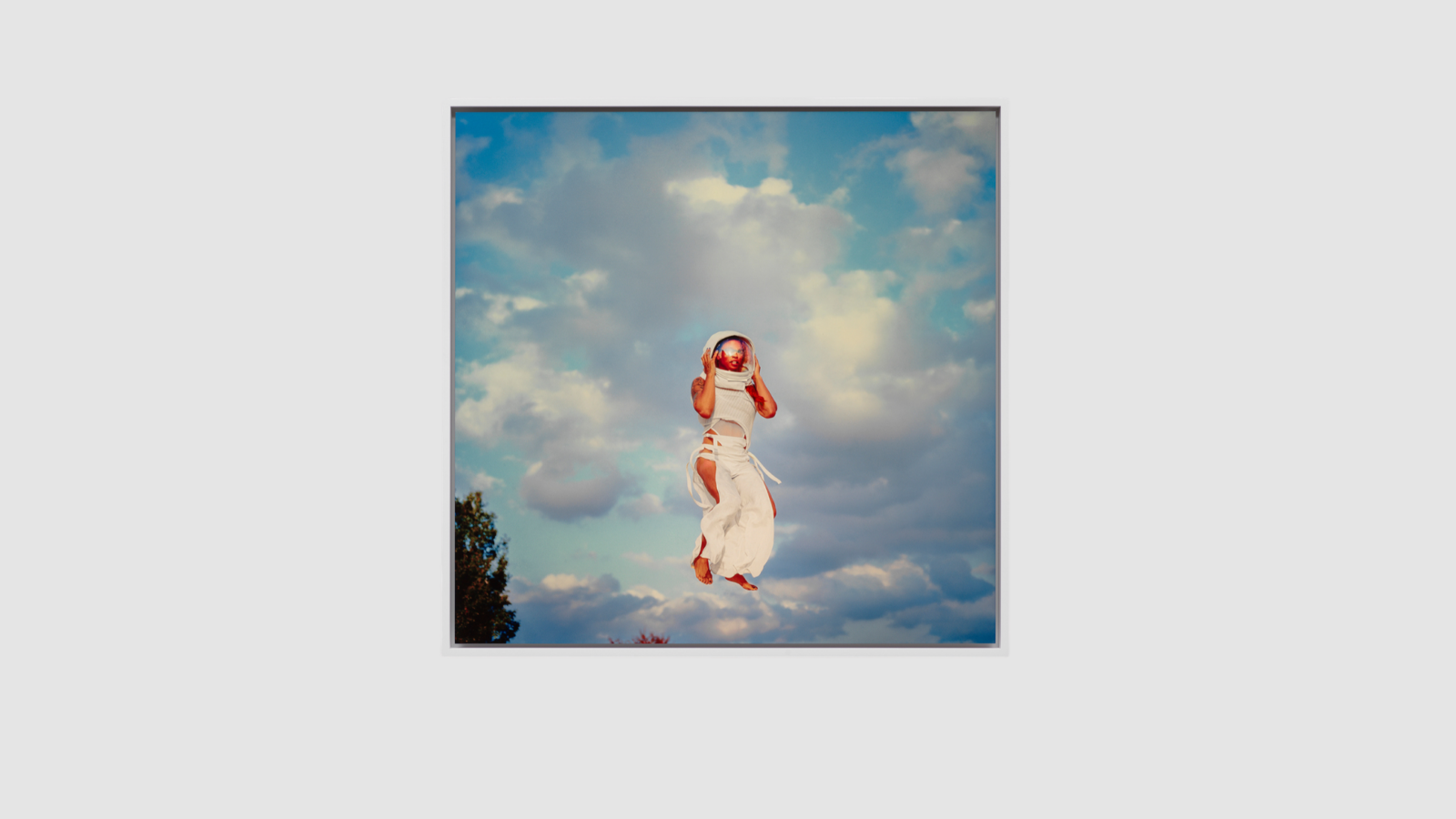
Tourmaline is in the air. In Summer Azure (2020), the artist hovers above a stand of trees as warm light falls across billowing clouds and a pale blue sky. She is dressed in a futuristic white garment with a clear-visored helmet covering her face. The costume reads, at first glance, like an astronaut’s suit, but there is no spaceship here. Something even more miraculous than space travel seems to be at play. As the trees that reach into the frame from the bottom mark her proximate distance to the earth, Tourmaline might be rising or landing, held in a careful suspension between ground and flight. Her hands are raised to her helmet, as if to be securing it or about to take it off. Her levitation does not carry her out of the world so much as momentarily alters the world’s terms. Here, gravity’s law has loosened. Yet the photograph’s power does not register as spectacle. It gathers in subtler tensions that refuse easy illumination: the undulating quality of Tourmaline’s garment against the stillness of her helmet; her slightly outward, askance gaze; the open blue sky that holds her without revealing how. In these ways, Summer Azure summons a viewing practice attuned to subtlety, asking us to linger at a threshold where perception meets the imperceptible, and where the familiar world begins to loosen its hold and open onto other possibilities.
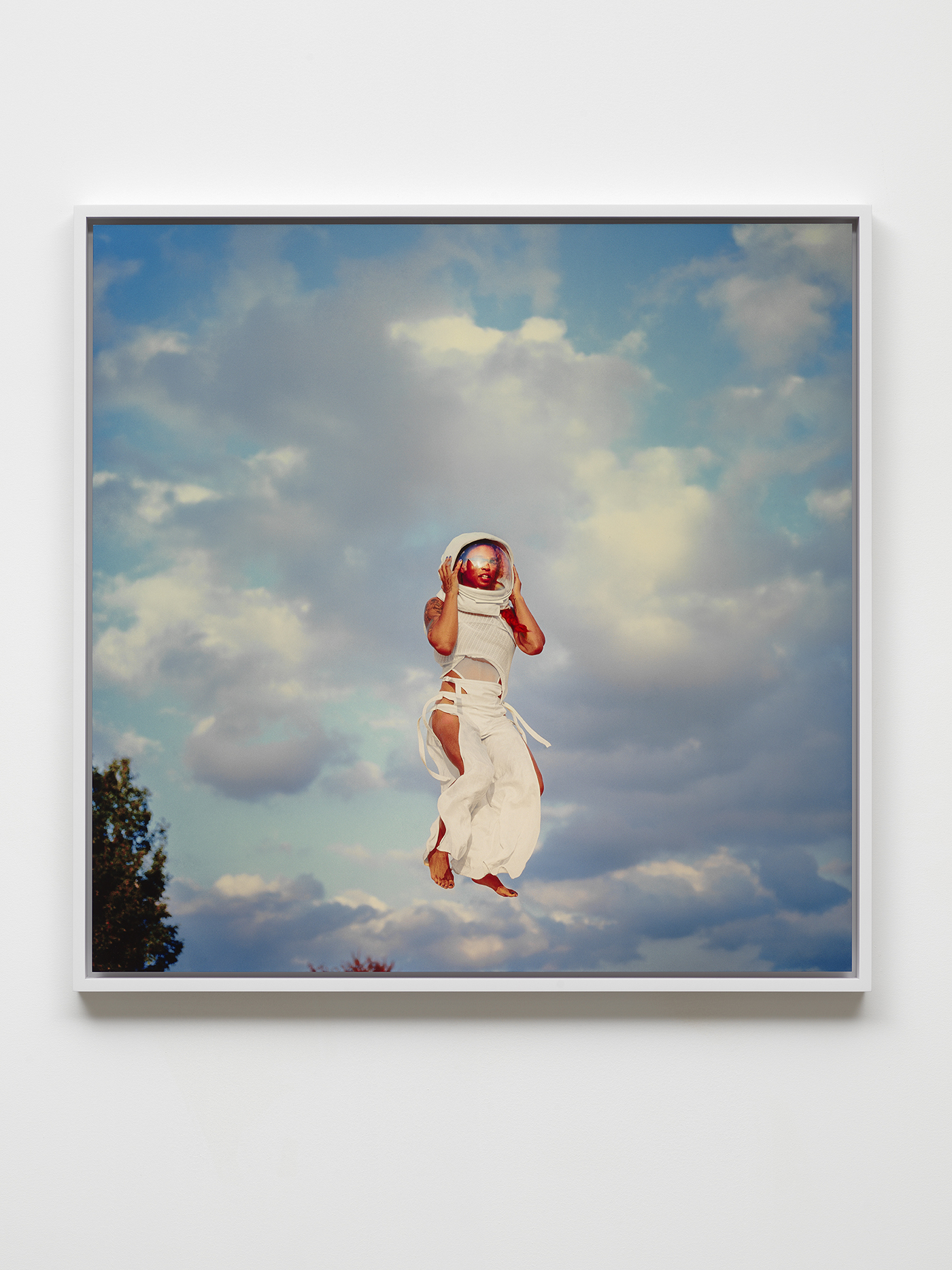
Fig. 1: Tourmaline, Summer Azure, 2020. Courtesy of the artist and Chapter NY, New York.
Call this, for now, a shapeshift: not simply the refusal of things as we accept them to be, nor a corrective to the world as given. The posthumanist thinker Báyò Akómoláfé helps me arrive at this sense of shapeshifting when he says, “I prefer to use the term shapeshifting, not healing. There’s something definitely restorative and probably invisibly conservative about the notion of healing, like restoring a former image.” Healing, in Akómoláfé’s formulation, risks implying a return to some prior intactness, a restoration of the image we already know how to read. Shapeshifting names something else: a becoming that does not restore, but rather conjures messier forms of knowing and relation. In Summer Azure, such shapeshifting begins as a subtle alteration in perception. Subtlety, in turn, does not signal delicacy or diminishment. It names a method of perceiving — one that moves our sightlines beyond their immediate purview even as it draws us inward, toward dimensions of experience that complicate the dominant scripts of this world. By and through subtlety, we might come to sense this world as threaded with the otherworldly, where what remains veiled gathers near the threshold of perception, holding us, briefly, in suspension before what is sensed settles into knowledge.
: :
Subtle Ecologies
The title of Tourmaline’s photograph extends this lesson in subtlety. Summer Azure first seems to name the blue sky that acts as the backdrop of Tourmaline’s self-portrait. Yet it is also the common name of a small pale blue butterfly, the Celastrina neglecta. Field guides describe this intricate butterfly as part of a closely related azure species. As its Latin name suggests, Celastrina neglecta carries a history of belated recognition. The Alabama Butterfly Atlas notes that, for more than a century, Summer Azures were “overlooked as a species,” considered only a seasonal form of the Spring Azure until 1995. Tourmaline’s title prompts us to stay with the image’s azure sky until what first appeared as atmosphere begins to register as a more-than-human signature. In this way, Summer Azure directs us toward a winged life hovering at the threshold of the image.
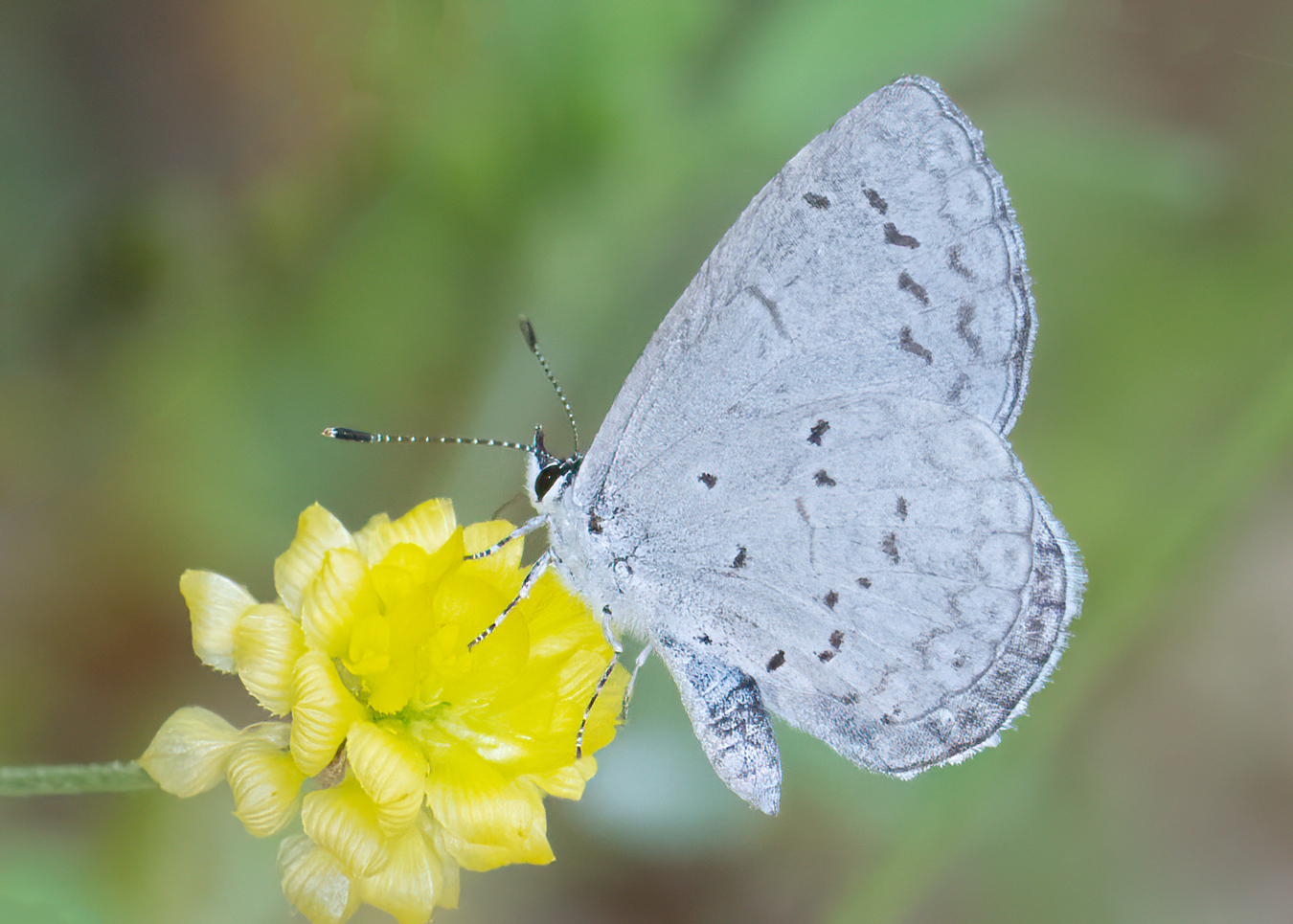
Fig. 2: Sara Bright, Summer Azure Butterfly, 2017. Credit: Alabama Butterfly Atlas.
In a recent video posted to Instagram by the Great Smoky Mountains Institute at Tremont in Tennessee, the institute’s Communication Specialist, Joy, marvels at a group of Summer Azures gathered on the ground, engaging in a phenomenon known as puddling. Joy looks on in wonder as she explains that the butterflies are huddled together to drink nutrients from the soil. She encourages viewers to let these butterflies continue their “party” if they come across them in the park. The video is educational in the most capacious sense. Joy’s delight becomes part of the lesson: to notice these butterflies in this act of exchange is to learn how what is easily missed — or misunderstood — comes into view through careful attunement.
In another recent video posted by The Battery in New York City, a montage of Summer Azures is overlaid by a prismatic filter and set to ambient music. The accompanying caption explains that, as caterpillars, Summer Azures “rely on native plants such as dogwoods and viburnums,” making them part of a broader ecosystem and offering “a reminder of how closely plants and wildlife are connected.” Across these brief digital appearances, the Summer Azure begins to take on a more textured presence. It is a creature of flight and relation, sustained through kinship with soil and plants.
To read Tourmaline’s Summer Azure through this ecology of relation is to notice how suspension and earthly arrangement are held together in a single image. What appears minor or peripheral — the butterfly’s name, how the undulating clouds and Tourmaline’s garment mirror each other — begins to organize the scene. It opens the photograph toward another scale of attention, where subtlety emerges as a practice of noticing what gathers at the edges of perception.
Summer Azure belongs to Tourmaline’s pleasure garden series, which draws on her research into nineteenth-century pleasure gardens in New York City, including Black-owned gardens where Black people gathered in nature and sociality while slavery remained legal in the state. The photograph channels the afterlife of those gardens, conjuring the pleasure and ease they once made possible. Pleasure, in Tourmaline’s practice, is not respite from politics but one of its forms. It asks for a particular quality of attention, which she gives language to in her writing on freedom dreaming.1 “Freedom dreaming isn’t just about the big things,” she writes, naming dreams of abolition, universal healthcare, and gender self-determination before turning toward what she calls “the small things.” Her examples move through the subtle power of the quotidian: “When I dye my hair blue at home in my bathtub, reclaiming the color from its capture by racist police—and then do my eyeshadow to match.” “What seem like small things” Tourmaline quickly clarifies, “really are the big things”: “the everyday acts of liberatory glamour, care, and openness that keep us alive.” Here, subtlety takes shape as a daily mode of perceiving otherwise, drawing attention toward the gestures and atmospheres through which freedom is already being practiced.
: :
Esoteric Aesthetics: Dreaming as Creative Practice
In an interview with The Creative Independent on cultivating intuition, Tourmaline extends her account of freedom dreaming to include dreams that arrive in sleep. Her reflections conjure what I call esoteric aesthetics: artistic forms and techniques that draw from or resonate with occult, spiritual, and metaphysical practices. Here, esoteric names what moves at the edges of sanctioned knowledge—what is secretive, veiled, or difficult to bring fully into view—while aesthetics recalls the Greek aisthētikos, attuned to perception. Together, they ask how art makes room for what can be perceived before it can be known. Dreams have long asked for this kind of aesthetic attention: long read for what they carry rather than for what they plainly say.
In Tourmaline’s account, these esoteric aesthetics take shape through dreams and intuition, where ancestral presence moves through the very texture of her artistic process. She recalls having a dream about Sylvia Rivera, the legendary Puerto Rican and Venezuelan trans activist who organized for LGBTQIA+ rights under conditions of violence and precarity that continue to threaten trans life today. In the dream, Rivera is with friends in a 1980s or 90s dive bar in New York City. Tourmaline wakes with “a feeling of enthusiasm and clarity that this means something” — tuned, she says, to “a particular frequency, a feeling, an impulse.” Following “that good feeling and that knowing, the intuition,” she takes the Q to 42nd Street and walks around Bryant Park and Times Square, places Rivera knew well and where she had spent time “living and petitioning for LGBTQIA+ rights … before getting arrested.” At an African American Day Parade that very day, the artist runs into Sheila Cunningham, a Black trans elder she knows from the Sylvia Rivera Law Project. “This must be the dream,” Tourmaline thinks. Years later, at a Visual AIDS panel, Cunningham finally tells her: “I was best friends with Sylvia Rivera, and we hustled together, and we were living together in the ’70s.” The pieces, Tourmaline says, “started to click into place” — though it took years for the full significance of the dream to take shape.
For Tourmaline, the dream’s knowledge does not give itself over all at once. It moves by feeling and encounter, asking to be followed before it can be understood. Dreaming, here, is deeply relational, carrying traces of those whose desire and activism continue to shape the present. “Dreams are a central part of my practice,” Tourmaline says, “and I’m also the beneficiary of all of the dreams of people who came before.” As a form of esoteric aesthetics, the dream-realm opens a route through the world, shapeshifting Tourmaline’s perception, sending her onto the train, through the city, toward an encounter whose significance will take years to unfold. What emerges is an uncanny intimacy between what is perceived and what is later known.
To follow Tourmaline’s dream is also to learn something about how subtlety asks to be read. Subtlety moves in the interval where the imperceptible is not empty but not yet fully given to knowledge. A dream leads through New York; a butterfly’s name changes how we see the sky; unseen forces hold a body in a photograph: each asks our perception to remain open and attuned to what is still coming into focus. Here, subtlety becomes the method through which esoteric aesthetics might be capaciously read, allowing partial and peripheral knowledges to register without forcing them into the logic of proof.
: :
To Shapeshift
In Coral Hairstreak (2020) — another photograph in the pleasure garden series — Tourmaline has landed. Standing firmly on the ground, her stance is bold, cool, and curious. The visor to her helmet has been lifted, and she raises a hand to adjust a silver eyepiece. Her bright coral-colored braid hangs delicately over her right breast as her leg juts out from the sultry hip-high slit of her pants. Whatever the artist’s past suspension may have required, she is now on the ground and looking directly at us.
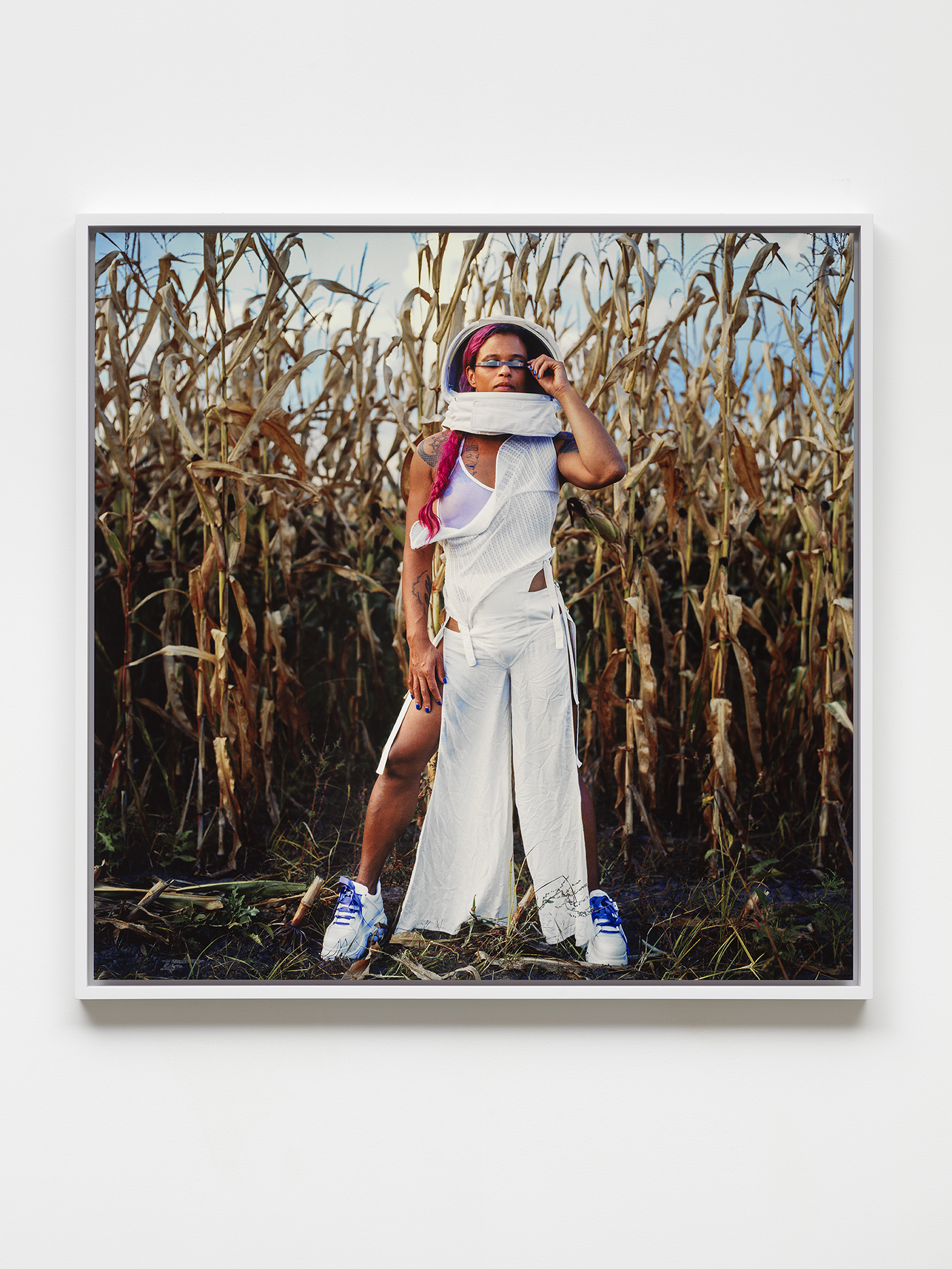
Fig. 3: Tourmaline, Coral Hairstreak, 2020. Courtesy of the artist and Chapter NY, New York.
Behind her, brittle stalks of corn, far past their harvest stage, fill the photograph’s frame. The crop quietly evokes a farm or plantation, where agriculture cannot be separated from histories of stolen land and racial violence. From there, the image gestures toward the long afterlife of chattel slavery and its enduring entanglement with anti-Black violence as well as histories of Indigenous dispossession, recalling a sacred plant absorbed into colonial and capitalist economies. The juxtaposition between Tourmaline’s futuristic, self-possessed figure and the cornfield’s historical residue gathers in the energy between what persists and what is becoming, resonating with the artist’s broader creative practice in which Black, queer, and trans histories are illuminated as living forces in the present.2
Kara Keeling’s account of Black temporality offers a way of thinking further about what the photograph’s juxtaposition holds: Black existence, Keeling writes, “carries within it alternative organizations of time, in which the future, if there is such a thing, has not been promised; it has had to be created by reaching through and beyond what exists.”3 Coral Hairstreak reaches through and beyond this world into an ecology of entanglement the frame refuses to neatly resolve. To read the photograph this way is to stay with its charge: how the image unsettles time itself as even the decomposing cornfield is caught in the process of turning otherwise.
Like Summer Azure, Coral Hairstreak takes its name from a butterfly. The Coral Hairstreak — Satyrium titus — is a small brown butterfly whose most vivid markings appear on the underside of its wings: a “row of orange spots along [the] outer hindwing edge,” visible only when the wings are closed. Similar to the Summer Azure, the butterfly’s life unfolds close to the ground and out of easy sight. Its caterpillars feed at night and spend the day near the base of the host tree, where they are “typically tended by ants” that are “attracted and rewarded by the caterpillars’ sugary secretions.”4 The butterflies subtly gather in these barely witnessed exchanges, sustaining each other through forms of relation the daylight world scarcely knows how to register.
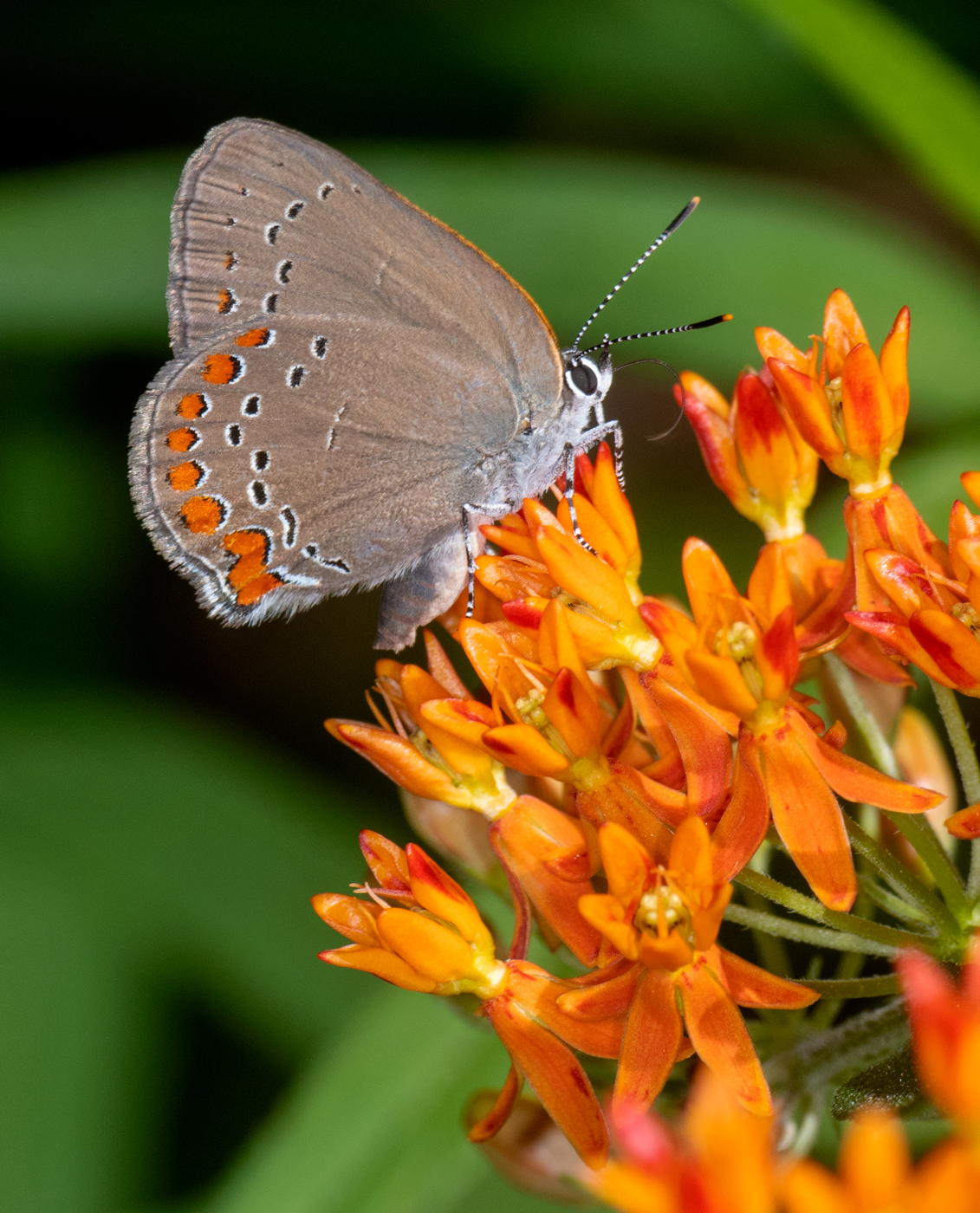
Fig. 4:. Sara Bright, Coral Hairstreak Butterfly, 2021. Credit: Alabama Butterfly Atlas.
Such exchanges are also scenes of entanglement — ones that return us to Akómoláfé’s account of shapeshifting. Shapeshifting, for Akómoláfé, is not resolution but a different relation to what persists: a becoming that moves between the human and the more-than-human, the past and the not-yet. In his discussion of shapeshifting, he offers the example of huitlacoche, a fungus that infects corn and is taken up in Mexican cooking as a delicacy. “That’s not a resolution,” he says of huitlacoche. “[The fungus] is still there. It’s still a disease. And yet [it’s] shapeshifted.” What the huitlacoche example names is a dream and discovery of a present already thick with alternate relations, one in which past and future pass through each other in ways that exceed the rationalist logics of progress and closure. Tourmaline stands in this field — suited up, visor lifted, inhabiting relations the photograph holds without resolving. The dream her presence embodies is not one the photograph announces in a straightforward logic. It arrives as subtlety: something felt at the edge of the sayable.
Summer Azure and Coral Hairstreak shapeshift: holding past, present, and future, the worldly and otherworldly, in a relation of mutual dreaming that exceeds what any one narrative might capture. They ask us to notice what is already here, even as they gesture to the elsewhere of dreams: city bars where friends once gathered, butterflies most humans walk past without noticing, a cornfield where history and futurity remain uneasily intertwined. What is the present dreaming? Not that it is asleep to what is happening, but that it is alive to what is becoming, already shapeshifting. What traces, atmospheres, shapeshifts, and relations does it dream of? Subtly, we might glean how to stay with the present as it dreams, open to what has not yet taken shape.
: :
Endnotes
- Tourmaline’s use of “freedom dreaming” resonates with Robin D. G. Kelley’s influential account of the Black radical imagination. Kelley frames freedom dreams as acts of collective imagination through which Black radical movements envision and struggle toward worlds beyond the limits of the present. See Robin D. G. Kelley, Freedom Dreams: The Black Radical Imagination, 20th anniversary edition (Beacon Press, 2022).
- Tourmaline’s broader practice across writing and film includes Marsha: The Joy and Defiance of Marsha P. Johnson (Tiny Reparations Books, 2025), a biography of Marsha P. Johnson; Happy Birthday, Marsha! (2018), co-directed with Sasha Wortzel and imagining Johnson in the hours before the Stonewall uprising; Atlantic Is a Sea of Bones (2017), which follows Egyptt LaBeija through New York City; and Salacia (2019), which explores the life of Mary Jones in nineteenth-century Seneca Village.
- Kara Keeling, Queer Times, Black Futures (New York University Press, 2019), 36.
- I am thinking here with Nathan Snaza’s Tendings: Feminist Esoterisms and the Abolition of Man (Duke University Press, 2024), where tending names a cluster of related senses—ongoingness, care, attention, anticipation — through which more-than-human worlds endure.

Victoria Papa