How can esoteric, other/worldly, and unruly aesthetic practices unsettle colonial epistemologies of rationalism, individualism, ableism, and universalism? What other worlds-in-the-(un)making might they help conjure? Taking a cue from the 21st-century surge of popular interest in the occult and esoteric—particularly within feminist and queer communities—this cluster contributes to scholarly, artistic, and pedagogical discussions about how esoteric knowledges inform anti-colonial and speculative turns.
Surfacing from a seminar held at ASAP/16 in Houston, Texas, in 2025, this cluster summons the keywords shapeshifting and the other/worldly. Here, shapeshifting calls up emergent, risky, and unmoored embodiments, while the other/worldly—with a nod to the ASAP/Review’s signature slash and the publication’s welcoming of experimental interventions—invites modes of critical and creative inquiry that dwell in the cracks of emergent study.
What happens when academics and artists tend to esoteric modes of knowing, being, and doing? What opens up when we treat dreams, readings, premonitions, rituals, and the wisdom traditions that inform them as not only worthy objects of study but also epistemological methodologies in their own right? Writer Jessica Dore, approaching these questions as a tarot practitioner and trained social worker, suggests in Tarot for Change that something shapeshifts when we “dwell on the edges, in the liminal space between categories that are so often set in opposition to one another.”1 For us, this in-between is a feral terrain between the esoteric and the academic, where otherwise ways of being, thinking, and writing are conjured—ways that loosen the argumentative habits of academic knowledge-making and become more porous to the wild and secret currents through which knowing often arrives.
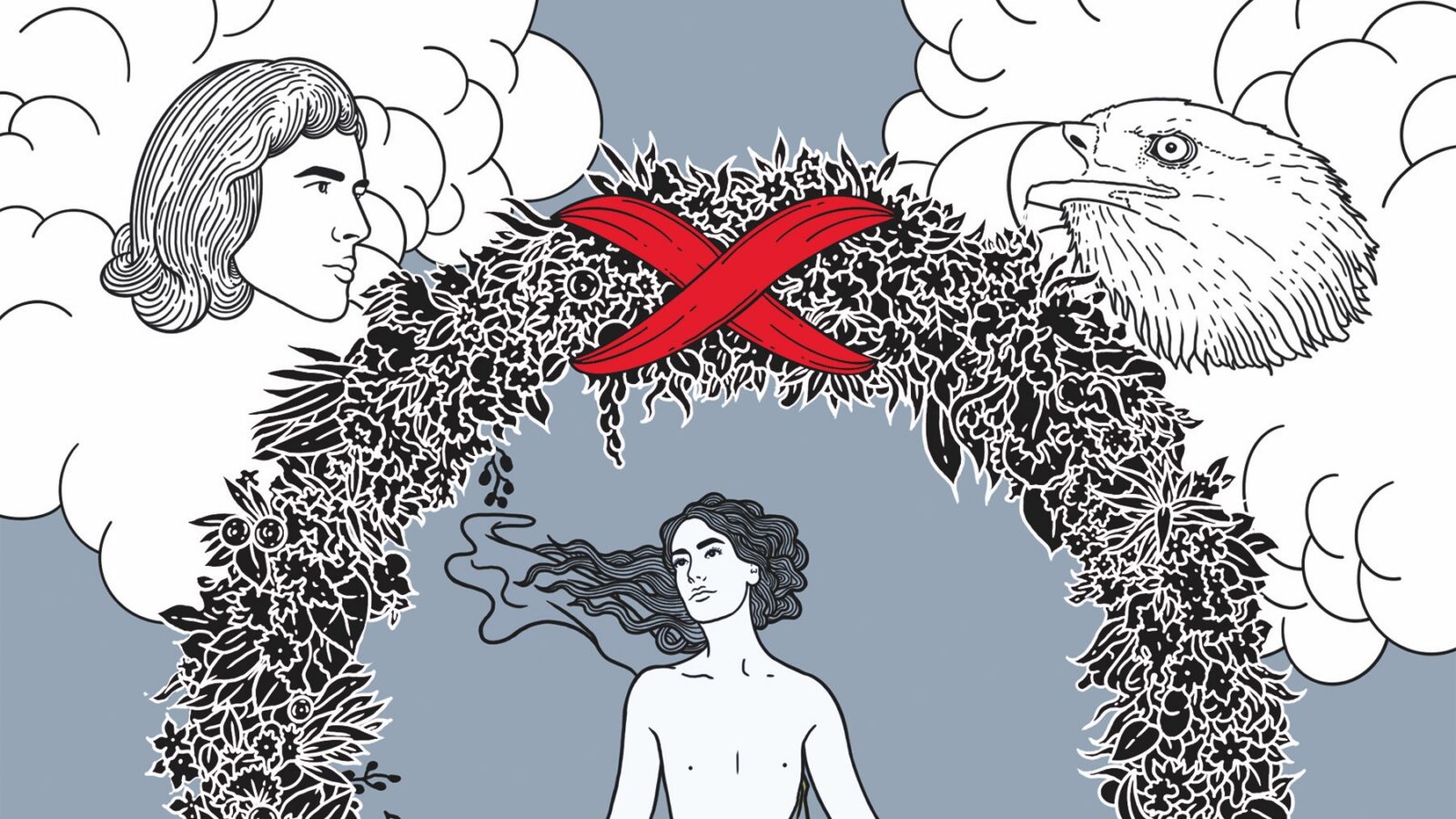
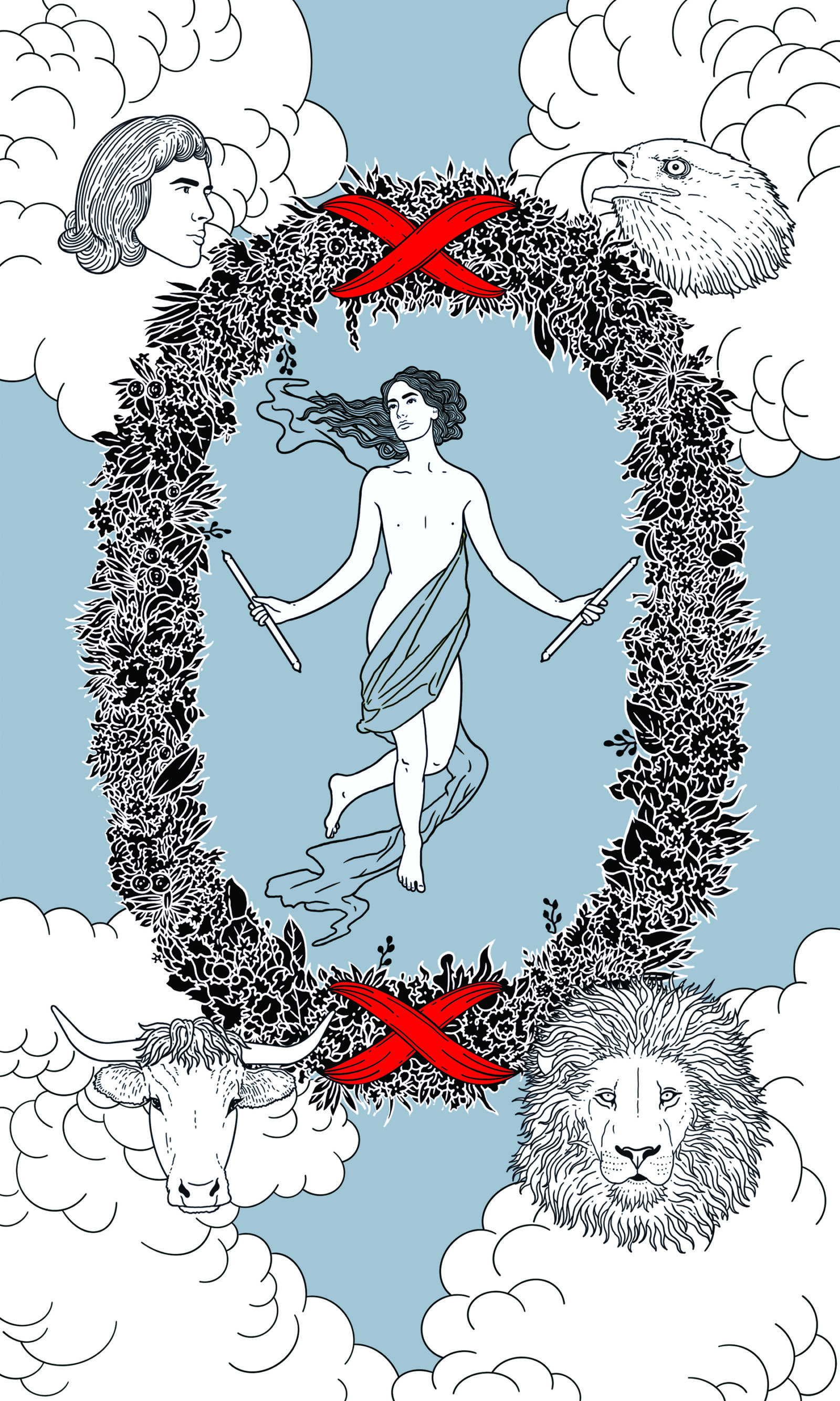
We carried this practice of dwelling-in-the-liminal into the seminar we organized for ASAP/16 by having a volunteer pull a Tarot card to open our time together. The card that came into the room was the final card of the major arcana, The World (XXI), reversed, which was not only pertinent to the overarching theme of the conference (Worldmaking/Worldbreaking) but also the other/worldly. The upside-down card gestures not so much to a negation (of the upright card) as to another angle of entry, one less obvious or readily accessible than the dominant entry points to an academic convening. This is not so much about worldbreaking or worldmaking as about the shift between worlds. To shapeshift, after all, is not to shapebreak; it is at once a more tenuous and more cunning process that asks us to find another way, and then to be awake to the dissonances, sparks, and ebbs of a threshold. In Dore’s deck The Change Tarot, illustrated by Xaviera Lopez, the figure in the World card dances with ease and precision through a portal; in the reversed version, the upside-down figure dangles like an open pendulum, demonstrating a different way of shifting into (other)worlds.
Our contributors move across these charged terrains: between recognizable modes of scholarly inquiry—feminist and queer theory, Black studies, decolonial thought, literary and visual analysis—and esoteric practices that sense, summon, or receive knowledge otherwise. Across these encounters, accepted modes of academic inquiry brush against the transgressive force of the often unrecognized but sometimes-felt au-delà—the other side. Writing letters, casting spells, culturing cells, crawling, noticing, dreaming, sounding, perceiving, inhabiting animist relations and occult somatics: these practices train different capacities for imagination and connection. What emerges between them is a shared investment in slight but radical interventions in the ordinary fabrics of our worlds.
In the essays that make up this cluster, Victoria Papa, Sydney Sheedy, and Sandra Huber unsettle the habits through which bodies perceive and know. While Papa engages the work of the artist Tourmaline to cultivate subtlety as attunement to how the present dreams otherwise, Sheedy approaches the occult as a material practice of re-imagining colonial habits from within the body. Huber shows us that writing itself is a shapeshifter, where spellcasting through writing becomes a way of reorganizing literacy, capacity, and embodied time.
Asilia Franklin-Phipps and Anna Mukamal turn toward forms of discernment that exceed familiar categories. Franklin-Phipps moves us to the ground through Pope.L’s radical aesthetics of crawling, recovering discernment as a non-hierarchical orientation that is often forgotten or ignored. Mukamal traces another edge of discernment in her discussion of astrology as a both/and practice, one that accumulates leftist politics and late-stage capitalism in the same breath.
The material realms of body and earth, as well as the transmissions through which they come, are shifted into alternate practices by WhiteFeather Hunter, Theo Joy Campbell, and Lorelei d’Andriole. Whereas Hunter takes us to the laboratory to reimagine biological craft as a ritual of speculative bodily reconstruction, Campbell takes us into the depths of the earth to animate oil as an ancestor rather than inert resource. In her audio contribution to the cluster, d’Andriole’s voice splinters into the voices of others as trans/bodies become trans/mitters, extending time as a nonlinear, technological passage.
Taken together, these pieces suggest that shapeshifting is less an event than a repertoire of re-tunings through which body, material, relation, and language gradually pivot through sustained attention, dedication to craft, and careful commitments. If shapeshifting names a process, these pieces remind us that such processes begin as minor techniques that nonetheless loosen, and perhaps even reverse (in the spirit of our seminar’s tarot pull), the epistemological habits of so-called modernity and the constraints of secular humanism.
At the heart of this cluster, we ask the question: how can a movement towards otherwise worlds shapeshift how we live in this one?
Endnotes
- Jessica Dore, Tarot for Change: Using the Cards for Self-Care, Acceptance, and Growth (Penguin Life, 2021), 14.

Victoria Papa

Sandra Huber